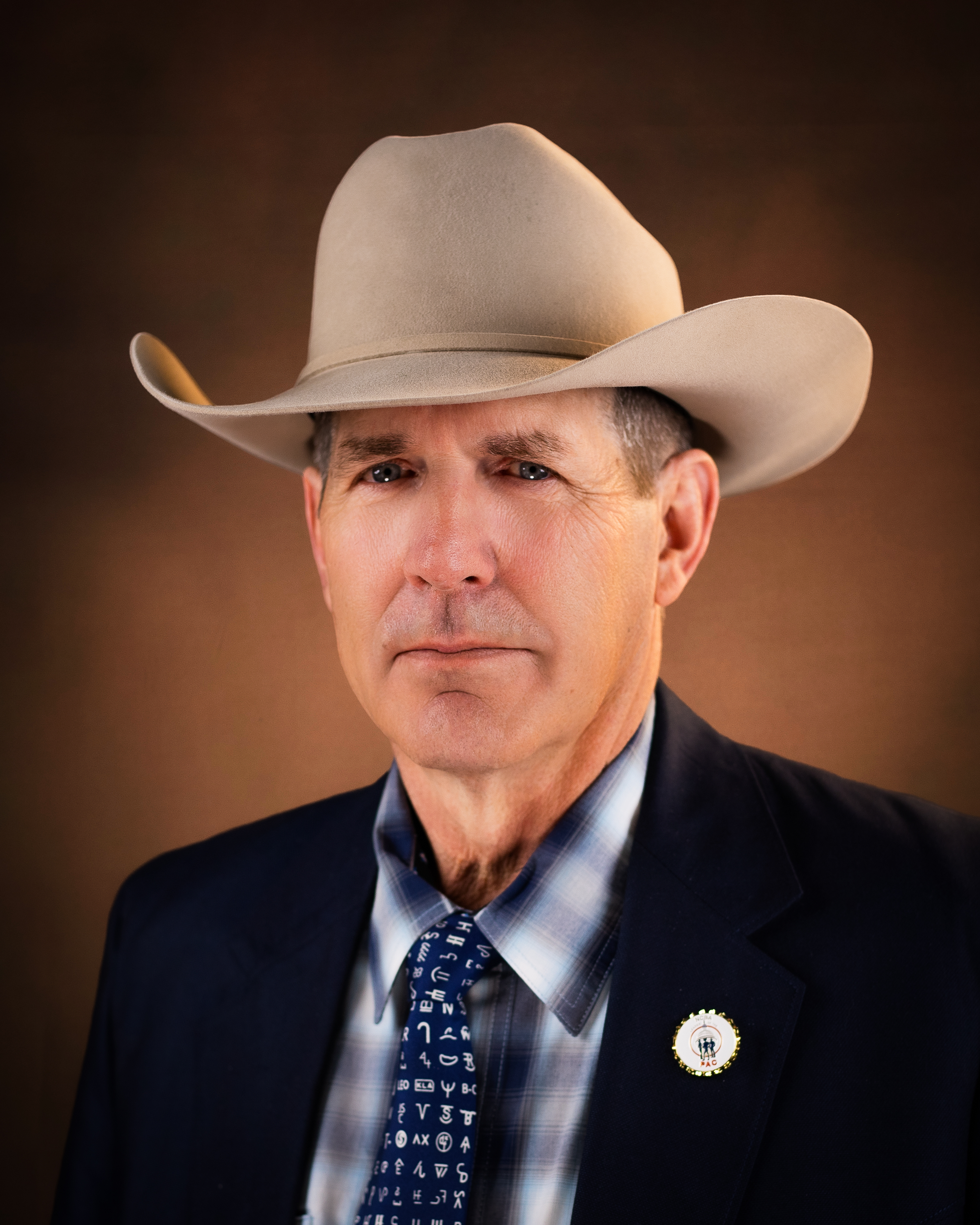
Skye Krebs
Most ranchers in the West, at some point, have faced difficult times that challenge them to keep going. Wildfires, storms, blizzards, depressions, wars, governmental changes - you name it, and they have faced it. However, these hard times allow for new solutions to keep the operations going. Skye Krebs, a third-generation rancher from Eastern Oregon understands how difficult times can be but continues to find innovative ways to continue on.
“There's a wealth of knowledge out there on what it takes to get by, and what was successful last time. Of course, we've got quite a few more tools in the toolbox with the technology being so far advanced. You know, it's ever evolving, every crisis has a new solution, but it's good to have the knowledge of what worked and didn’t in the past to move forward. That’s how you keep the operations alive,” said Krebs.
Continuation of the Family Tradition: "Krebbs Brothers"
In 1917, the Krebs family was growing hay for a sheep outfit. When the outfit was unable to pay the bills for the hay, he gave them a band of sheep instead. This band was just the beginning of the multigenerational operation that would result from this fateful change. Krebs’ grandfather and his two brothers started Kreb’s Brothers sheep operation. As the next generation stepped in, they would move the sheep to Browning, Montana for the summer, then back to Cecil, Oregon for the winter.
Back in the day, around the 1920s and 1930s, all of the processers were consolidated in Chicago and St. Paul. For this reason, the Krebs’ decided to move further east in the summer to be closer to the market. However, in the 1970s freight got too high, so the decision was made to move the summer sheep back to Oregon. It was after this time that Skye and his brother got into the family business to make it look like it does today.
Krebs credits the importance of family in keeping the ranch in operation and the values that come from it. Krebs and his wife Penny have children and grandchildren that surround their operation and are actively involved in daily operations. With hopes of passing the operation on to the next generation, Krebs wants his sons and grandsons to have the knowledge and skills to keep the business strong and the land healthy.
Diversification on the Land
Alongside the sheep operation, Krebs has found other ways to diversify the land. Today, they run about 50% sheep and 50% cattle on private and federal land, including Bureau of Land Management and the Forest Service leases. This diversification has allowed for access to different markets. As cattle and sheep markets are very cyclical, this has given them an opportunity to capitalize on different commodities during different times of the year. Cattle and sheep have different but complimentary nutritional needs and require labor at different times of the year. Compared to cattle, sheep are incredibly labor-intensive, requiring a bigger crew and continuous presence. Like many sheep producers, Krebs has worked hard to bring in H-2A Visa workers to help with the operation over the years and continues to adapt to the changing labor market.
Given their unique geography, the Krebs family had the opportunity to explore diversification into the wind industry. As part of the operation is on the Columbia River Gorge, there has been a lot of wind development in the area. As times are always changing, it can be hard to adjust, Krebs noted, but learning from his partnership with energy companies has given Kreb valuable knowledge that has benefited producers around him as they also navigate a changing multiple-use landscape.
Serving the Industry
Often times, it is easy to sit back and allow decisions to be made that can impact your operations. However, understanding the importance of stepping up to serve an industry you are passionate about takes mental toughness and commitment. Krebs has spent the last 40 years in leadership positions for both the beef and sheep industries including as PLC president, protector of the Public Lands Endowment Trust, and currently as Policy Division Chair for the National Cattlemen’s Beef Association. Serving in these organizations takes time - and a lot of it. While we all know this time could be spent elsewhere, Krebs knows the importance of being an advocate willing to serve.
“I've been in contact with the salt of the Earth people West wide, and even nationwide. These are good people who do it for the right reasons, and it does take time, but who else is going to advocate for us if we don't do it ourselves? So, I'd rather have somebody who walks the walk and talks the talk, advocating for us, rather than somebody who doesn't, who's not involved in management of these ranches,” said Krebs.
The saying “it takes a village” is true for this industry. It takes ranchers coming together to work on the issues that impact their operations, daily. Krebs has helped build the village and make the industry better than it was before.