
The BARNES FAMILY
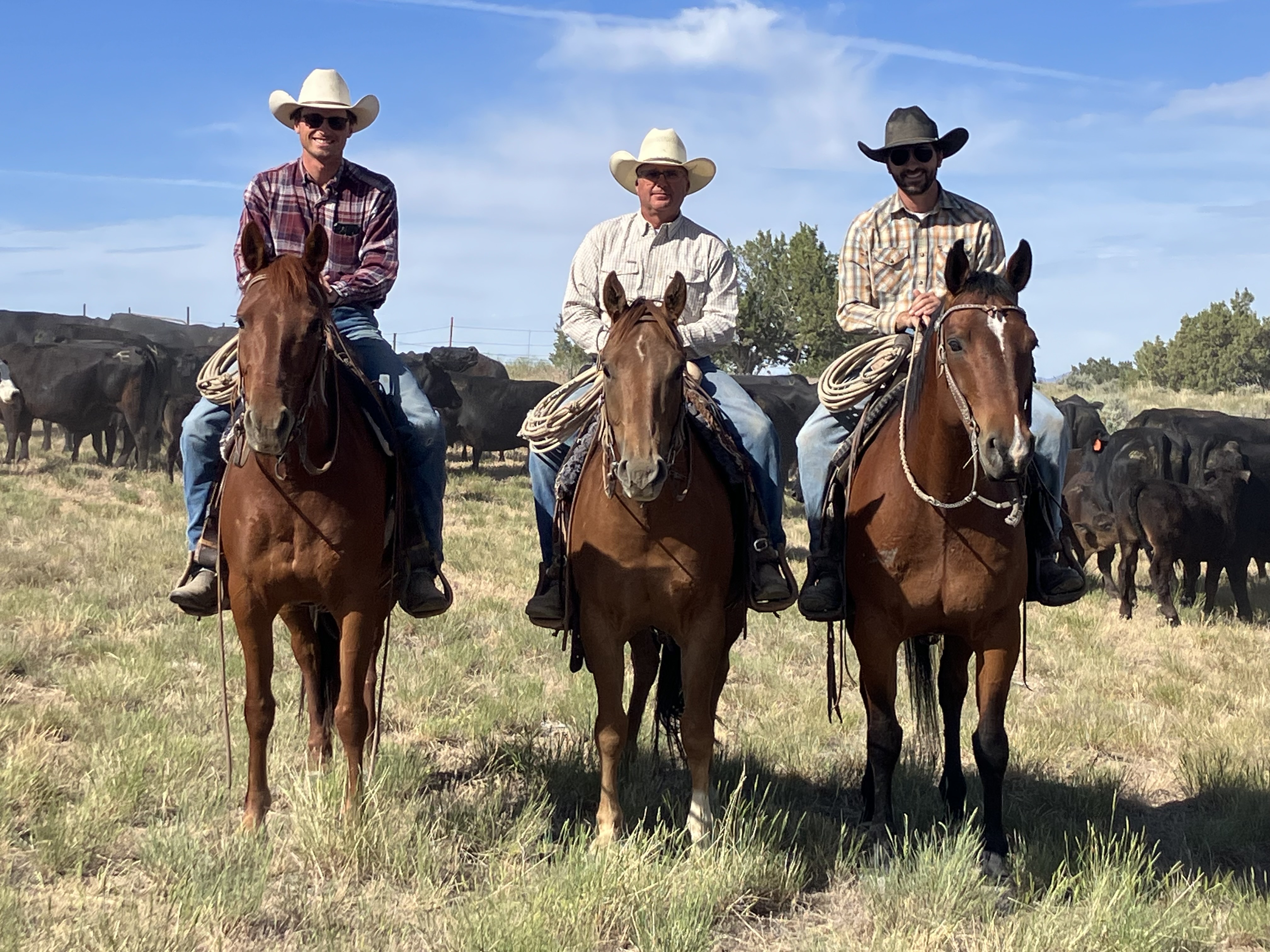
Barnes Ranch, located in northern Nevada, has been in its current location since 1948. The landscape of Nevada shapes how the operation functions and defines much of what the ranch has become.
The ranch is owned and operated by third- and fourth-generation ranchers Tom and his son Anthony Barnes. Tom manages the home ranch, while Anthony manages a second location. Together, they share a deep love and appreciation for the industry and for the land their cattle graze on.
“I'm most proud of is the fact that I get to go do something every day that I am truly passionate about and love,” Tom says.
That same commitment shows up in the next generation as well. Anthony’s path, both away from and back to the ranch, reflects that same commitment. He graduated from Colorado State University, where he studied agribusiness and animal sciences and competed on the livestock judging team.
Following college, Anthony returned home to help his dad run the ranch. He said he always knew he would come back, but being away at college helped solidify his decision.
“There's no better way to raise a family. There's no more fulfilling way to live your life outside of ranching,” Anthony says. “I wouldn't trade it for anything, and as far as coming back to my family's place, this is our legacy.”
Ranching on Public Lands
For the Barnes, that legacy is tied directly to the land itself.
“Public lands are the linchpin of everything we do,” says Anthony.
Utilizing BLM and Forest Service allotments allows Barnes Ranch to graze their cattle throughout the warmer months. Nevada, which happens to be home to the most federal lands in the U.S., requires the Barnes to rely on public lands grazing to run a successful operation. While public lands provide opportunities, they also present challenges – and those challenges start with the land itself.
“Your first challenge is mother nature,” Tom says. “Moisture is a big thing to us. You must be flexible and always have a backup plan on how to manage your livestock and your land.”
Of course, the challenges don’t stop there. Water development is a key example, since cattle need reliable water sources and building that infrastructure requires navigating significant red tape. Anthony says that depending on how an administration views public lands, Nevada ranchers are often at the government’s mercy.
Stewards to the Land
Long before those challenges arise, the Barnes have focused on sustainability.
Tom says, “We're in it for the long run, and if you're going to do that, you have to be a good land manager and take everything into consideration as far as being a good steward.”
The landscape of the Barnes Ranch also faces invasive species. With cheatgrass taking over the Great Basin as well as medusa-head, Anthony highlights how grazing has been part of the solution.
"The biggest thing that my family has done in terms of trying to improve and restore the rangelands that we operate on is handling invasive species and reestablishing those native grasses that benefit both cattle and wildlife,” Anthony says.
Pilot programs and cooperation with agencies to find ways to bring back native grasses in the area have been part of that effort.
Policy Involvement
From Tom’s involvement in policy work to serving as Nevada Cattlemen’s President, he believes in the importance of grassroots policy and giving back to the industry.
Being a public lands rancher, Tom also finds support from PLC invaluable.
“PLC is a really strong voice for us out here and really does a lot of good,” Tom says.
Tom has seen firsthand how policies made at the grassroots level can move upward to create real impact.
For Anthony, that understanding came through direct experience. Through his involvement with Nevada Cattlemen and his internship with NCBA and PLC, Anthony gained a deeper understanding of how policy is made and regulations are implemented.
Being part of a policy organization such as PLC has also helped the Barnes become more effective advocates.
“It's helped us figure out how to be the most effective at saving the good things that we have and protecting our industry,” Anthony says.
Both Barnes’ experiences help them create policy that will protect them in the future.
“It helps us be more effective at protecting our industry and carrying some beneficial legislation forward,” Anthony shares.
The Road Ahead
Moving forward, the operation remains firmly rooted in both family and resilience. With Anthony back on the ranch, Tom is encouraged by the love for the industry he shares with his son. He knows they will encounter more challenges but is confident that Anthony can get through them as he did.
While challenges are a constant part of ranching, the family relies on experience, resilience, and each other to keep moving forward.
“You can't ask for anything more than to be able to bring your family up in this environment and be able to spend the time working with your family day-to-day like we do,” Tom says.
Anthony is hopeful that PLC and the beef industry will be able to get bills across the table under the current administration. Getting grazing regulations more solidified to add stability to public lands ranching is something he believes can be done within the next couple of years.
However, increasing urbanization and lack of connection with the agriculture industry increase the risk of legislation that does not fully reflect agricultural realities.
Anthony says now is the time for the next generation to step up to get policy in place to protect the western lifestyle.
“If we continue to advocate like we have in the past few years, and if we continue to get young people to start telling our stories, that’s where we start to bridge that gap,” Anthony says.